
Every summer seems to bring another stretch of triple-digit heat, weeks without meaningful rain, and lawns that turn brown almost overnight. While we can’t control the weather, we can choose plants that are better equipped to handle it.
The key is designing with resilience in mind. By selecting plants naturally adapted to heat, humidity, and periods of drought, you can create a garden that continues to look beautiful—even during the toughest summers.
One important note: Even drought-tolerant plants need regular watering during their first growing season. Until roots are well established, they are just as vulnerable to drought as any other new planting. Once established, however, many of these plants require far less supplemental irrigation and are remarkably resilient.

The Secret to Drought-Tolerant Gardening
The most successful drought-tolerant gardens begin with putting the right plant in the right place. I am sure you have heard that phrase before, but especially for heat and drought, your plant selection means the difference between success and failure.
A sun-loving perennial placed in dry shade will struggle just as much as a woodland plant baking in full afternoon sun. Understanding your site’s light conditions is just as important as selecting drought-tolerant species.
Best Plants for Hot, Sunny Gardens

If your garden receives at least six hours of direct sun, these dependable performers thrive in heat while providing months of color and valuable nectar for pollinators.

- Sedum ‘Autumn Joy’ (Stonecrop)- old stalwart which flowers in the fall.
- Echinacea ‘Magnus'(Coneflower)- there are many varieties that would work. Take your pick!
- Salvia ‘Blue By You’ – Another one where there are too many varieties to name that work well.
- Agastache ‘Blue Boa’ ‘Blue Fortune’ (Anise Hyssop)- I love all of these but the two mentioned are most reliable for winter hardiness.
- Schizachyrium scoparium ‘The Blues’ (Little Bluestem)- Steel blue foliage blades give nice accents to a planting.
- Achillea ‘Moonshine’ (Yarrow)- lots of pretty colors to try here, but this is an old favorite.
- Nepeta faassenii (Catmint)– so many types, but look for the size that fits your space. No sunny garden should be without this plant.
- Rudbeckia ‘Goldsturm’ (Black Eyed Susan)- old standard that blooms for weeks at a time.
- Perovskia ‘Blue Jean Baby’ (Russian Sage)- any variety will be tough and deer resistant.
- Lavandula angustifolia (Lavender)– consider this a short-lived plant in the mid-Atlantic, but one I would never do without.
These plants share several characteristics: deep or extensive root systems, drought tolerance once established, long bloom periods, and excellent value for bees, butterflies, and other pollinators.
Tough Plants for Dry Shade

Dry shade is one of gardening’s greatest challenges. Competition from mature tree roots leaves little moisture available, yet many traditional shade plants, like columbine and bleeding heart, expect consistently moist soil.
Fortunately, several outstanding perennials thrive under these difficult conditions.

- Brunnera ‘Jack Frost’ (Siberian Bugloss)- the tiny blue flowers are beautiful but the variegated foliage is exquisite.
- Tiarella cordifolia (Foamflower)- spikey spring flowers look like foam.
- Heuchera ‘Autumn Bride’ (Coral Bells) – coming in an array of colors, but this is a tough favorite.
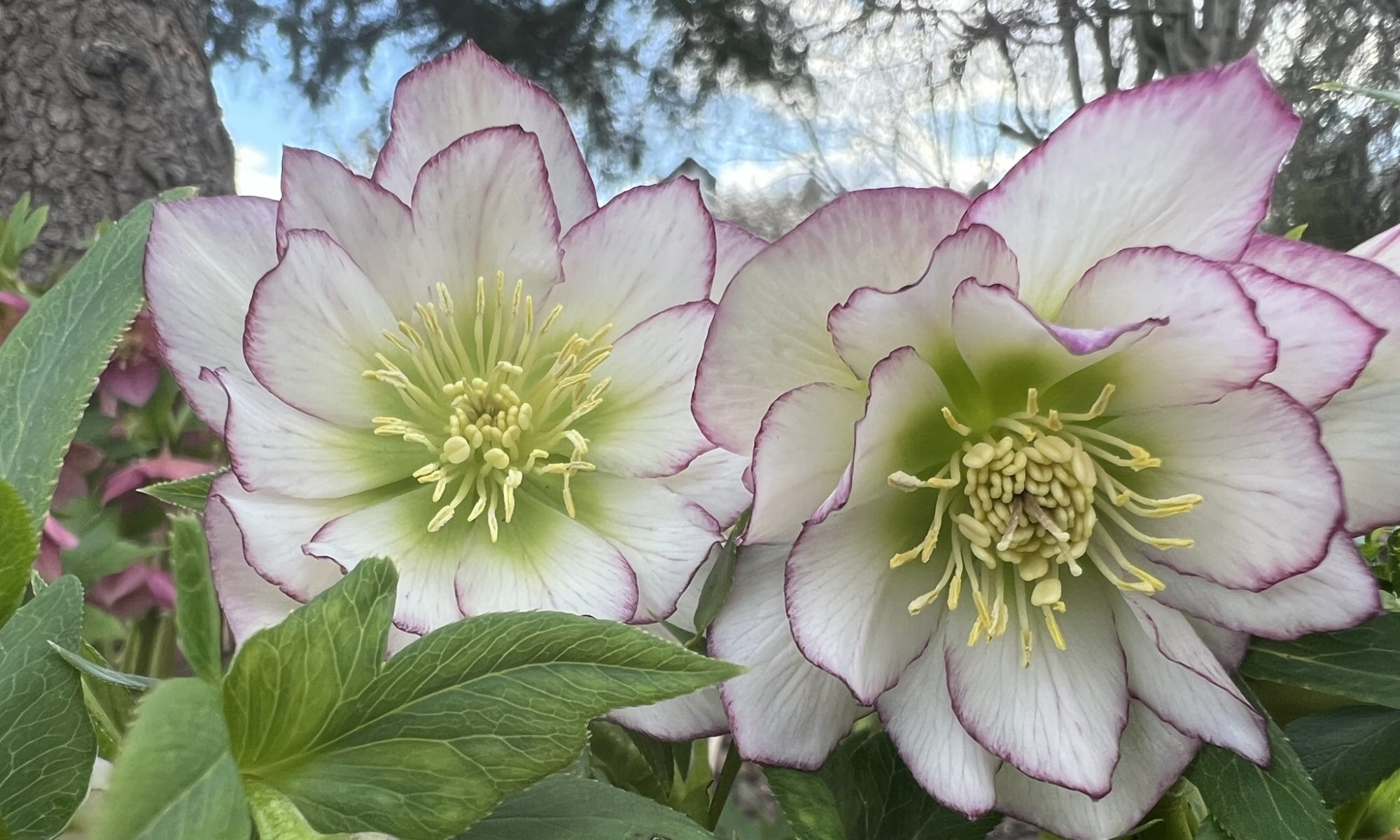
- Helleborus spp. (Lenten Rose)– so many choices, but all are tough, evergreen and deer resistant!
- Dryopteris erythrosora ‘Brilliance’ (Autumn Fern)- turns beautiful russet colors in col weather.
- Galium odoratum (Sweet Woodruff)- will thrive in any soil.
- Hosta spp.- surprisingly tough and comes in an array of green, silver, gold, and white shades, but not deer resistant!
- Ajuga reptans ‘Black Scallop’- lots of varieties to choose from but this is a favorite.
- Epimedium ‘Frohnleiten’ (Barrenwort)- Tough, tough, tough! Fairy like flowers in the spring and a great ground cover that smothers weeds.
- Carex pennsylvanica (Pennsylvania Sedge)- native small grass that stays low to the ground.
These plants are especially useful beneath established trees, along woodland paths, and on the north side of buildings where rainfall is often intercepted by roofs or tree canopies.


Help Your Plants Survive the Heat
Even the toughest plants benefit from a few simple practices during prolonged heat waves.
- Water deeply and less often rather than sprinkling lightly every day.
- Apply 2–3 inches of organic mulch to keep soil cooler and reduce evaporation.
- Water early in the morning whenever possible.
- Avoid fertilizing during periods of extreme heat, which can stimulate tender new growth.
- Delay dividing or transplanting plants until cooler weather returns.
- Remove spent blooms from some perennials to reduce stress and encourage rebloom.

Give New Plantings Extra Attention
Remember that drought tolerant does not mean drought proof. Newly installed trees, shrubs, and perennials need consistent watering throughout their first growing season while they establish strong root systems. Once established, they become far more resilient and require significantly less supplemental irrigation.

Claire Jones is a Maryland-based garden designer, horticulturist, and writer with more than 30 years of hands-on experience. She is the author of The Beekeeper’s Field Guide and the forthcoming The Garden Bible (HarperCollins, October 2026), and the creator of the gardening blog The Garden Diaries.
