
There’s something magical about stepping into the garden on a warm summer evening and catching the intoxicating fragrance of Oriental Lilies. Their enormous blooms, rich perfume, and sturdy stems make them one of the highlights of the midsummer garden. While many perennials are beginning to fade by July and August, Oriental lilies are just getting started, filling borders with dramatic color and unforgettable scent.
Longfield Gardens sent me a generous selection of both double Roselilies and Oriental lilies to grow and evaluate in my own garden this season, including many of the varieties featured here. It gave me a wonderful opportunity to compare their flower form, fragrance, vigor, and performance side by side.

I’ve grown many types of lilies over the years, but Oriental Roselilies remain among my favorites. Their flowers are larger than most other lilies, they’re exceptional cut flowers, and many varieties perfume the entire garden. Longfield Gardens provided me a selection to try out along with some other favorite Orientals.
Whether you’re planting your first bulbs or looking to expand your collection, here’s everything you need to know about growing these spectacular summer bloomers.
What Makes Roselilies Different?
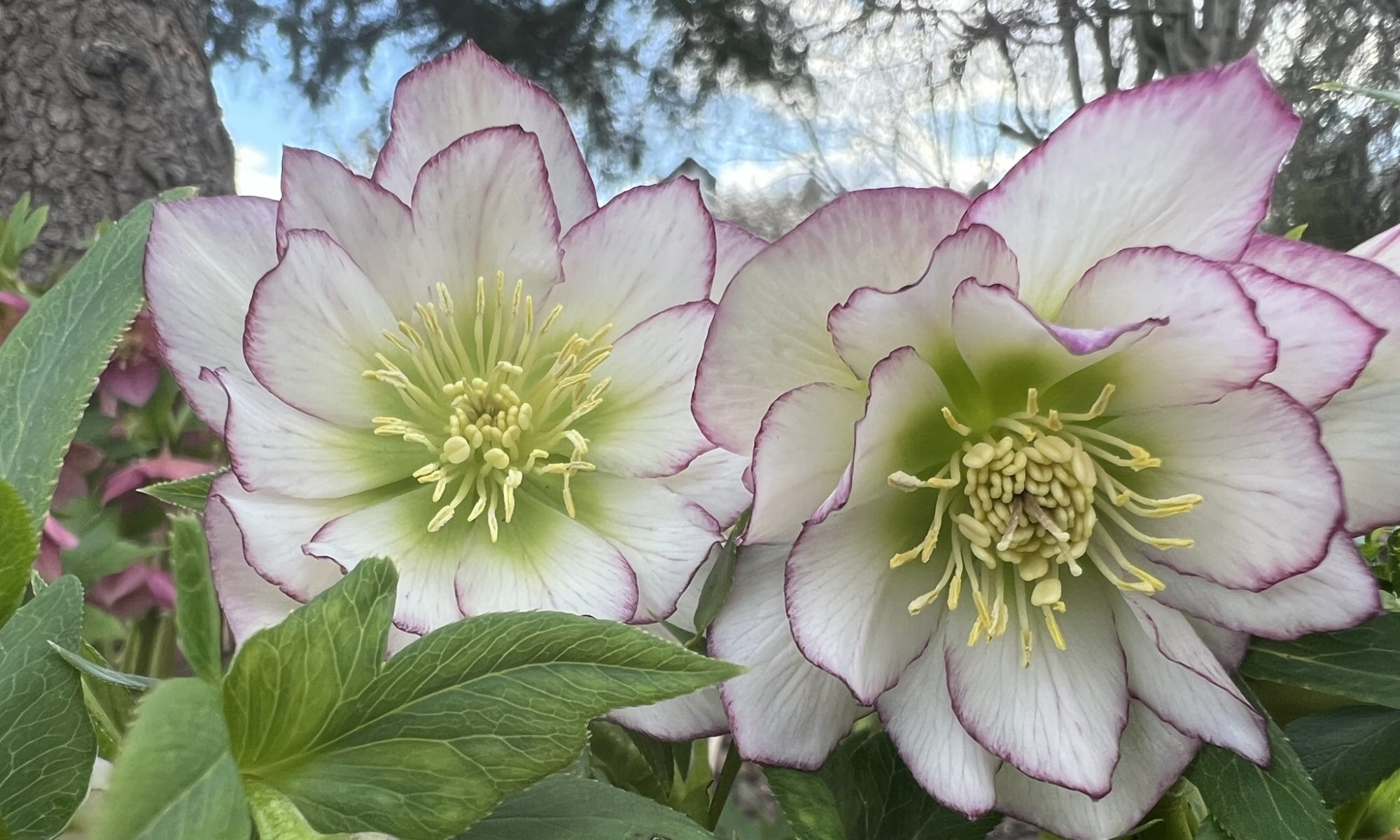
Roselilies are a relatively new type of double-flowered Oriental lily bred for their large, rose-like blooms. Instead of the usual six petals of a traditional lily, Roselilies produce multiple layers of petals, giving the flowers a lush, almost peony-like appearance.

One of their most appealing features is that they are pollen-free. The stamens have been transformed into additional petals, so there are no pollen-covered anthers to stain clothing, tablecloths—or your nose when you lean in for a sniff! This also makes them particularly desirable as cut flowers.
Roselilies retain many of the qualities that make Oriental lilies so spectacular in the garden. The flowers can be enormous, often reaching 6 to 8 inches across, and many varieties have the wonderful fragrance associated with Oriental lilies. Colors range from pure white and blush pink to deep rose, often with contrasting edges, stripes or speckles.
Despite their exotic appearance, Roselilies are grown much like other Oriental lilies. Plant the bulbs in well-drained soil in sun to part sun, with the bulbs approximately 6 inches deep. Good drainage is particularly important, as lily bulbs don’t appreciate sitting in wet soil.
Roselilies are true perennial lilies and, when they’re happy, return year after year, producing increasingly impressive stems as the bulbs mature. They’re also excellent for cutting, although I often find the flowers so spectacular in the garden that it’s difficult to bring myself to cut them.
If you love Oriental lilies but want something a little more unusual, Roselilies are definitely worth seeking out. When they’re in full bloom, people invariably stop and ask, “What is that?”
Oriental lilies bloom several weeks later and are known for:
- Huge flowers, often 8–10 inches across
- Intensely sweet fragrance
- Strong, upright stems
- Excellent vase life
- Late-summer blooms when many gardens need fresh color
If fragrance is important to you, Oriental lilies are hard to beat. And isn’t fragrance important to every gardener?

Roselily ‘Anouska’
Roselily Anouska is an exciting new introduction with white flowers that display a tracery of rose-pink around each petal. Doesn’t it resemble a rose?Anouska’ combines lush double blooms with the same wonderful fragrance Oriental lilies are known for.

Roselily ‘Samantha’
Wow!! This stunner is a double version of the popular Stargazer lily with layers and layers of petals. Growing about 32″ tall, the fragrance isn’t quite as fragrant as other varieties, but it is just beautiful!
This season I grew several beautiful varieties, including a selection of Roselily hybrids from Longfield Gardens.
Other Favorite Oriental Lilies
‘Stargazer’
One of the most famous and beloved Oriental lilies ever introduced. Producing 8-10″ blooms, highly fragrant, and a favorite of cutting gardens. I grew these in a container on my patio so it was close to my back door.

‘Dizzy’
One of the easiest Oriental lilies to recognize, ‘Dizzy’ features crisp white petals dramatically brushed with raspberry-red stripes and speckles. The flowers are enormous and wonderfully fragrant. I love the speckles on this one!

When to Plant Oriental Lilies
Oriental lily bulbs, including Roselily hybrids can be planted either:
- in spring after the ground has thawed, or
- in fall before the soil freezes.
They prefer a location that receives at least six hours of sunlight daily, although afternoon shade is appreciated in the hottest climates. I like to say that they appreciate a bit of shade at the base and full sun for the rest of the plant-similar to Clematis. I love that you can plant them in either spring or fall!
Planting Tips
Lilies perform best in rich, well-drained soil.
Plant bulbs:
- 6 to 8 inches deep
- 8 to 12 inches apart
- with the pointed end facing upward

Adding compost before planting helps improve drainage while supplying organic matter. Mulching around the plants helps keep roots cool and conserves moisture during summer heat.
Watering
Oriental lilies appreciate consistent moisture but dislike wet feet. Water deeply during dry periods rather than giving frequent shallow watering. A layer of mulch helps reduce evaporation and keeps the soil evenly moist.
Feeding
Feed bulbs in early spring as new growth emerges using a balanced, slow-release fertilizer or compost. Avoid heavy nitrogen fertilizers, which encourage soft growth instead of strong flower production.
Supporting Tall Stems
Some Oriental lilies can reach 4 to 6 feet tall. In windy gardens, staking early in the season prevents stems from leaning or breaking once the flowers open.
Deer and Rabbit Protection

Unfortunately, Oriental lilies are just as irresistible to deer and rabbits as they are to gardeners. Over the years I’ve found one method that works consistently.
As soon as the shoots emerge in spring, I place a cylinder of ½-inch hardware cloth around each clump ( I staple it down with soil staples so it doesn’t move). The ring stays in place while the plants are young, protecting the tender shoots from rabbits and preventing deer from browsing the foliage and flower buds.
Once the stems have grown well above browsing height, I usually remove the cages and spray for any further deer browsing with a good repellent. These simple steps have saved countless lilies that otherwise would have disappeared overnight. Unfortunately, an unseasonable late frost in May this year set my 2 feet high plants back with frost damage. I lost a few but many recovered but didn’t perform as well.
Caring for Lilies After Bloom
Once the flowers fade:
- Remove spent blooms to prevent seed production.
- Leave the stems and foliage intact.
- Allow the leaves to yellow naturally before cutting them back.
The foliage continues feeding the bulb, ensuring an even better display the following year. Some of my larger ones start out short and them increase in size within a few years.
Most of the beautiful Oriental lilies featured in this article were provided by Longfield Gardens, a trusted source for premium flower bulbs and garden plants. I’ve been consistently impressed with the quality of their bulbs, which arrive healthy, plump, and ready to thrive. Their selection is exceptional, offering everything from classic Oriental lilies and pollen-free Roselilies to Asiatic, trumpet, and species lilies, along with an outstanding assortment of spring- and summer-flowering bulbs. If you’re looking to add spectacular lilies to your own garden, I highly recommend exploring their extensive collection.

What fabulous flowers! They are new to me so thanks for sharing!