
If there’s one shrub that has quietly reinvented itself over the last few years, it’s the hydrangea. There is a hydrangea for every situation.
At Cultivate in Columbus, Ohio—where growers, breeders, and the industry’s biggest brands preview what’s next—hydrangeas aren’t showing up as “more of the same.” They’re emerging as category disrupters: bred for stronger stems, heavier flowering, smaller footprints, improved container performance, and even entirely new retail formats (yes, trailing hydrangeas in hanging baskets!).
The result is a modern hydrangea roster that’s less about where can I squeeze one in? and more about which hydrangea fits this exact spot?
Sun or shade. Foundation or container. Traditional border or native-forward planting.

And importantly, this renaissance isn’t limited to Asian species and bigleaf hybrids—North American native hydrangeas and native-derived cultivars are a major part of the innovation story.
Walk a show floor like Cultivate and patterns start to emerge. With hydrangeas, the message is clear: breeders are solving the real-world problems that keep gardeners from planting them—or from planting more of them.
New Forms (and new ways to use hydrangeas)
One of the buzziest introductions coming out of Cultivate was Hydrangea macrophylla ‘Haba Soft Pink’, a Retailers’ Choice winner bred specifically for hanging baskets. Its double flowers cascade gracefully rather than sitting stiffly on top of the plant, giving it a soft, almost spilling habit that feels completely different from traditional mophead hydrangeas. Like many bigleaf hydrangeas, the blooms can shift toward soft blue with typical soil pH adjustments.
I’ll admit — I never once considered putting a hydrangea in a hanging pot. But after seeing this one, it makes perfect sense. Gardeners have been treating hydrangeas as shrubs for generations, yet this introduction shows they can function more like flowering annuals or patio containers, bringing hydrangea color up to eye level on porches and terraces instead of keeping it anchored in the landscape. Can’t you just picture a row of these hanging from hooks along a wide Southern porch? And lasting for months?

The name Haba literally stands for hanging basket, signaling how hydrangeas are now being bred for how people shop and decorate, not just how plants perform in the ground.
This decor-forward trend continues with reblooming, container-friendly bigleaf series like Seaside Serenade®, including ‘Newport’ and ‘Martha’s Vineyard’, which offer improved disease resistance and compact habits without sacrificing flower power.
I’ll admit, reblooming hydrangeas are the way to go. After years of disappointment with old-wood bloomers lost to late frosts, I’ve been gradually replacing mine with newer remontant varieties that flower on both old and new growth. They simply perform more reliably — and gardeners shouldn’t have to cross their fingers every spring hoping the buds survived winter.

Smaller shrubs with outrageous flower power
Size has always been a sticking point for hydrangeas. Gardeners want impact—but not a shrub that eats the bed. That’s changing fast.
At Cultivate, Bloomin’ Easy previewed ‘Bubble Bath’ panicle hydrangea, described as extremely compact and so floriferous “you can’t see the foliage.” That kind of bloom density matters, especially for HOA landscapes, small foundations, and mixed borders. To read a comprehensive guide on how to take care of these easy shrubs, go to First Editions- Panicle Hydrangeas: Everything You Need to Know.

Other introductions pushing this trend include DreamCloud®, Centennial Ruby and Fairy Tale Bride®,—all bred to deliver full-size hydrangea drama on a smaller, more manageable frame that would fit perfectly into a town house size garden.

Native hydrangeas: stronger stems, more blooms, better garden performance
Smooth hydrangea (Hydrangea arborescens), a North American native, is at the center of major breeding investment.
Recent introductions like American Lace™ (White, Pink, and Dark Pink) focus on:
-
More flowers per plant
-
Stronger stems that resist flopping
-
A scale that fits neatly under windows and along walkways
The upgrade path continues with FlowerFull® (launched spring 2025), bred for two to three times more blooms, improved disease resistance, and sturdier structure—explicitly addressing drooping and leaf spot, two of the biggest complaints gardeners have with older smooth hydrangeas.
This is the sweet spot: native genetics paired with modern performance.
Hydrangea for Every Site: Sun, Shade, and Everything in Between
Full sun success: panicle hydrangeas
Honestly, I suspect ‘Limelight’ is the most planted shrub in America — every neighborhood seems to have at least one. If you have strong sun—especially the kind that punishes bigleaf hydrangeas—Hydrangea paniculata is your gateway shrub. Paniculatas are the most forgiving in heat and sun, and modern breeding has delivered:
-
More compact forms
-
Heavier bloom counts
-
Better structure for storms and summer weather

Bright shade and morning sun: bigleaf hydrangeas, reimagined
Bigleaf hydrangeas (H. macrophylla) still shine in part shade, but their role has expanded dramatically. Today’s introductions are designed as:
-
Container and patio stars
-
Seasonal retail statement plants
-
Even basket features with cascading habits
Standouts include Plants Nouveau ‘Magical® Elizabeth Ashley’—with up to 150 days of color—and refined rebloomers in the Seaside Serenade® series and Let’s Dance SkyView.


Shade and mixed light: smooth and oakleaf hydrangeas
For shadier gardens, smooth hydrangea (H. arborescens) does the heavy lifting, combining native value with increasingly refined garden habits.
Oakleaf hydrangea (H. quercifolia), also native, adds multi-season interest—flowers, bold foliage, and exceptional fall color—making it an ideal anchor shrub where structure matters as much as bloom.


Why Hydrangeas Are an “Asset Shrub” Now
Today’s hydrangeas are no longer single-purpose flowering shrubs. They function as design tools:
-
Foundation plants
-
Seasonal container focal points
-
Mass-planting workhorses
-
Cut and dried flower sources

They’re also being bred for climate reality—heat, heavy rain, storm damage, and disease pressure—making them far more reliable in the Mid-Atlantic and beyond.
While hydrangeas aren’t top-tier pollinator plants on their own, native species and native-derived cultivars support broader ecological goals—especially when paired with soft landings and diverse under plantings.
The Bottom Line
Hydrangeas used to be pigeonholed: mopheads for shady cottages or floppy snowballs that collapsed after summer storms. Cultivate is showing that era is over.
New introductions are expanding hydrangeas into sun gardens, small gardens, containers, baskets, and native-forward landscapes—without losing the emotional reason people plant them in the first place:

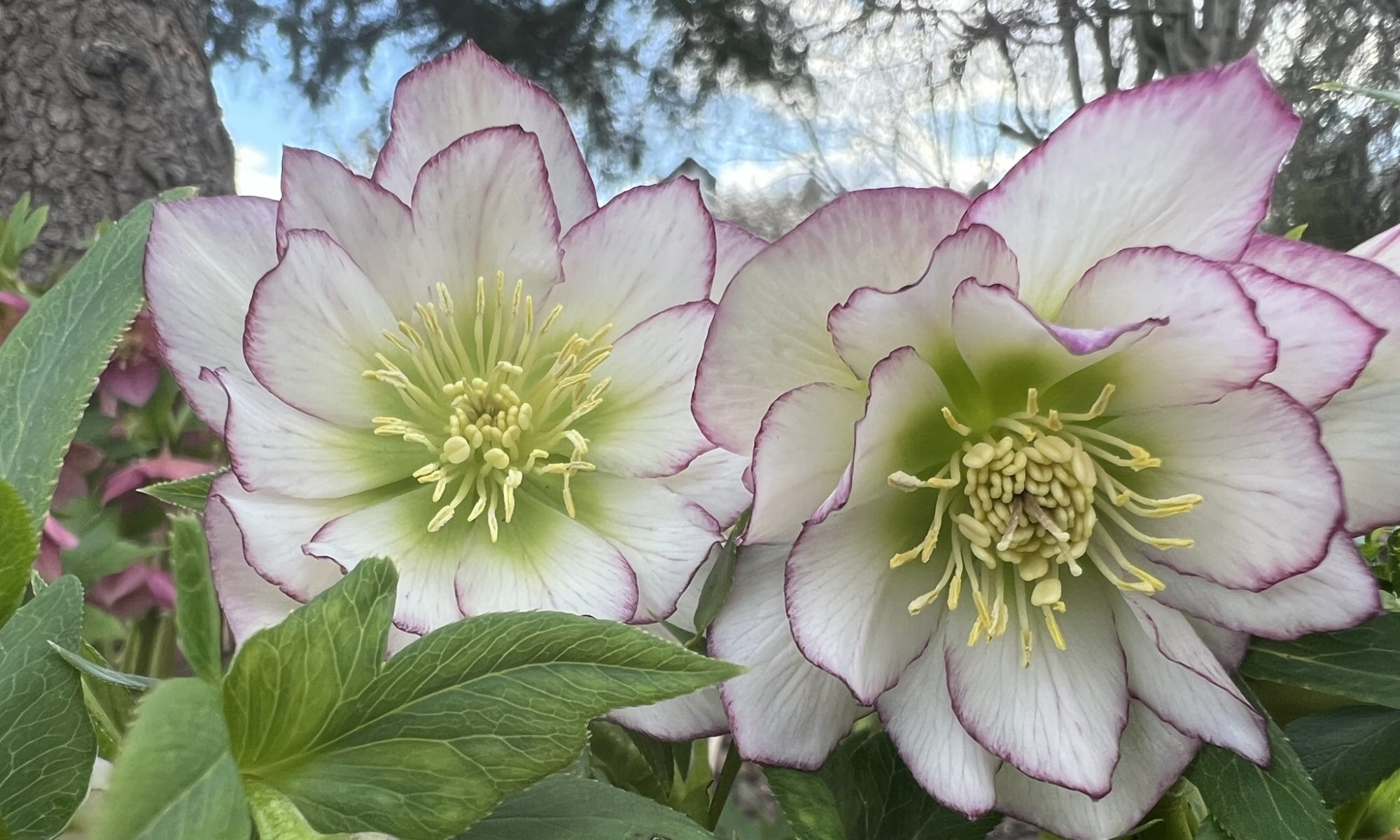
Not sure of the variety name, but what a stunner!
New Hydrangeas to Watch
Cultivate standouts and next-generation performers
Compact Sun Performers
Bubble Bath® — ultra-floriferous dwarf panicle hydrangea for foundations and small beds
DreamCloud® — cloudlike white blooms on a manageable shrub
Centennial Ruby® — deep pink tones with strong stems
Container & Décor Hydrangeas
Haba Soft Pink — cascading hanging-basket hydrangea, blue-shift capable
Fairy Tale Bride® — elegant lacecap look for patios and entryways
Magical® Elizabeth Ashley — up to 150 days of color
Native-Derived Improvements
American Lace™ series — smooth hydrangea with stronger stems and higher bloom count
FlowerFull® — bred to solve flop and leaf spot
Reblooming Landscape Bigleafs
Seaside Serenade® Newport
Seaside Serenade® Martha’s Vineyard
Designer Tip:
Choose hydrangeas by light first, size second, flower color last — the opposite of how most people shop.

For a great resource on finding the right hydrangea for your yard, go to: Your Guide to Hydrangeas; The right one for your garden.
Quick Hydrangea Selection Guide
Pick the right hydrangea in 10 seconds
Hot sun (6+ hrs):
Panicle hydrangea (H. paniculata) — most heat tolerant and lowest maintenance
Morning sun / bright shade:
Bigleaf hydrangea (H. macrophylla) — color-changing flowers and great in containers
Shade or woodland edge:
Smooth hydrangea (H. arborescens) — native and reliable bloom
Structure & fall color:
Oakleaf hydrangea (H. quercifolia) — four-season interest
Simple rule:
Right plant, right light = hydrangea success
Wrong light = “hydrangeas are fussy”
Planting tip:
Hydrangeas struggle more from reflected heat and afternoon sun than from winter cold in the Mid-Atlantic. There is a hydrangea for every situation.

Claire Jones is a Maryland-based garden designer, horticulturist, and writer with more than 30 years of hands-on experience. She is the author of The Beekeeper’s Field Guide and the forthcoming The Garden Bible (HarperCollins, October 2026), and the creator of the gardening blog The Garden Diaries.
