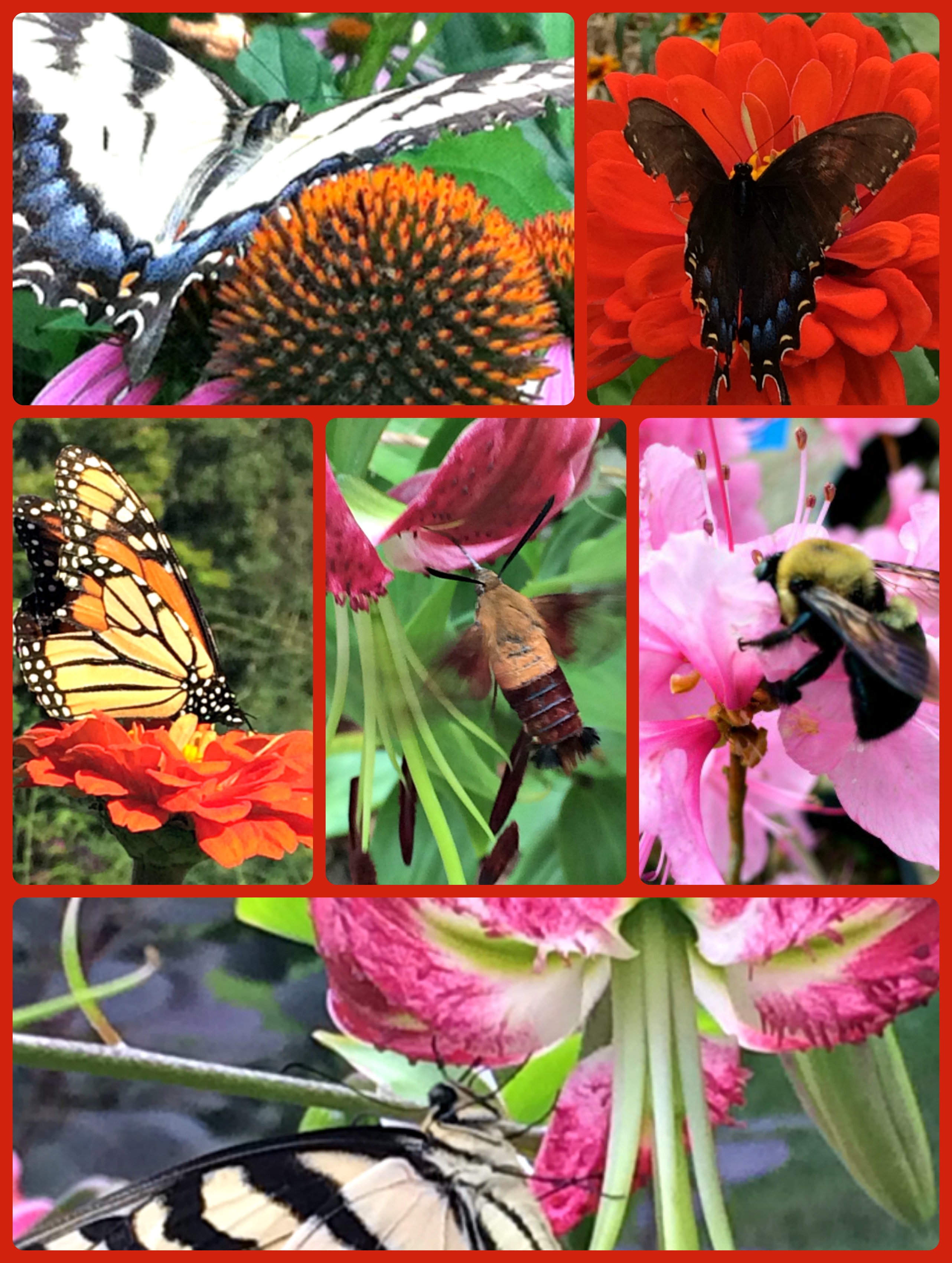
Monarch Way Station-Easy to Set Up!
Because of massive habitat loss due to large-scale corn and soybean farming that has gobbled up every acre of farmland, Monarch butterflies are on the decline. Pervasive spraying with herbicides has largely eradicated the huge swaths of the common milkweed plant, which colonized margins around farm fields and roadsides that sustained Monarchs on their long migration.

What Can We Do?
This decline of Monarchs isn’t new information as it has been touted in all the news media for several years, but it seems like people are starting to pay attention and take action. Monarchs are a flagship species like the honeybee, and if we preserve existing Monarch habitats or add to them, we will be helping a lot of other organisms as well. So what can we as gardeners do who plant on small properties? Or even if a gardener has just a balcony or deck to garden on? We can plant the right plants for Monarchs and other pollinators.

Plant Milkweed Everywhere
Launched in 2005, Monarch Waystation was created by Monarch Watch and sells seed kits for starting your own Monarch Waystation or pollinator haven. If you are a school or non-profit, Monarch Watch will provide a free flat of 32 milkweed plugs as well as guidance on how to create a new habitat or enhance an existing garden. That is a great deal and schools should be snatching these up! And if you aren’t a non-profit, Monarch Watch will sell you seed kits with the proper species for your area for a nominal $16. Go to Monarch Way Station Seed Kit to order. If you are a regular home owner and gardener who wants to help provide healthy habitat for the Monarch, follow the guidelines on plantings to make your very own Monarch Waystation in your yard at the bottom of this post.
The Great Migration
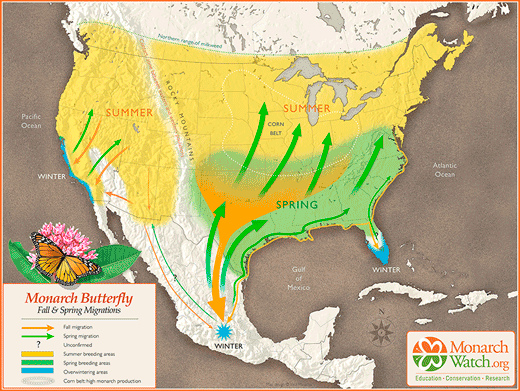
Each fall, millions of Monarchs migrate from the U.S. and Canada to overwintering areas in Mexico and California, staying there until spring returns and then make their way back north. The Monarchs east of the Rockies follow a different path from the Monarchs west of the Rockies. Flying thousands of miles for these fragile creatures is hard work and they need fuel during the journey. Increasingly Monarchs aren’t finding the proper nectar plants on their arduous trek and we need to remedy this. Since the program started there are over 7,000 Monarch Waystations registered. Other organizations, such as The North American Butterfly Association which is a program specific to Monarchs, and motto is “Healing Earth One Yard at a Time”, are also in the movement.
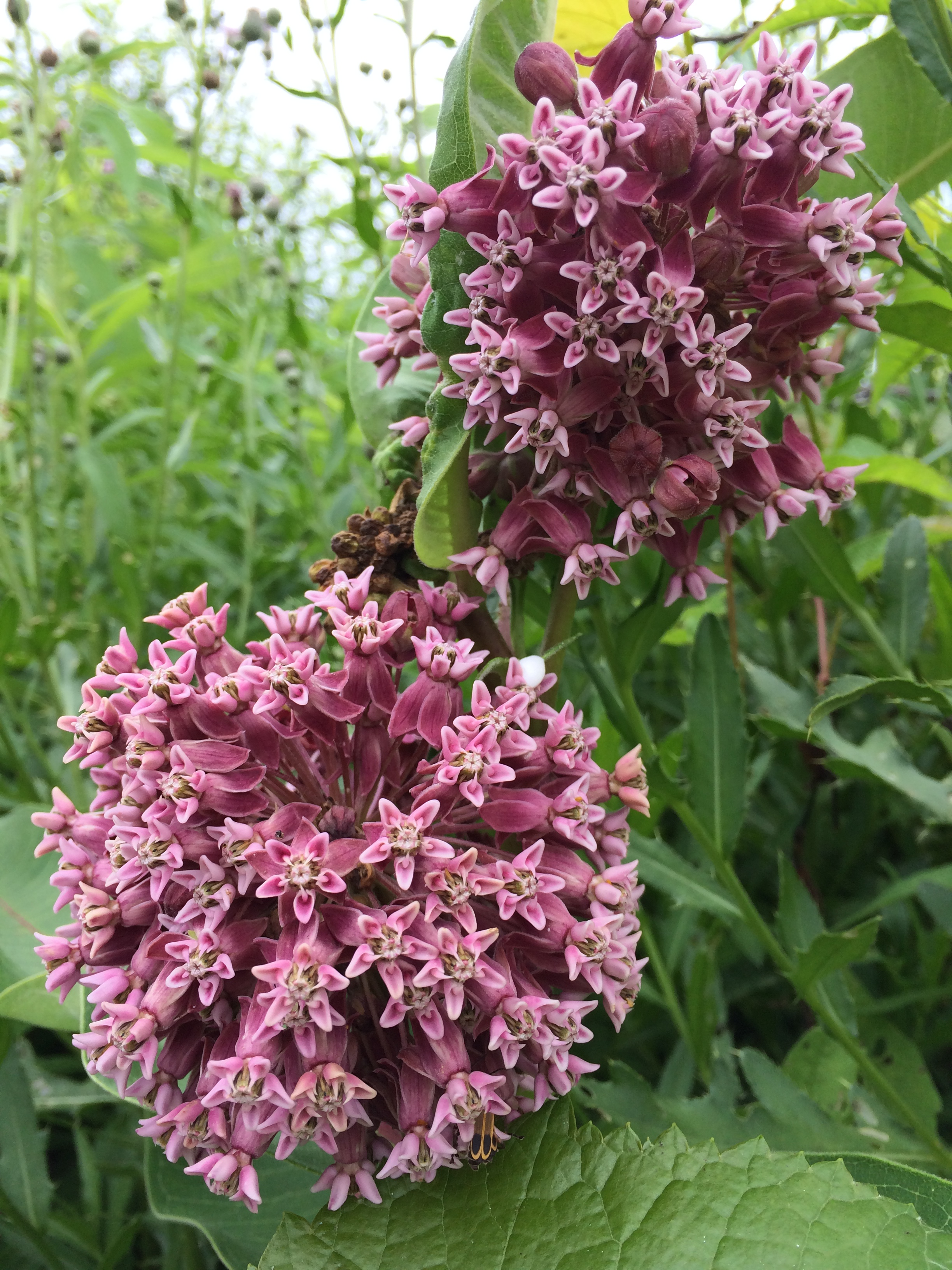
Monarch Habitat Guidelines
By following these basic guidelines, you can set up your own Monarch Waystation and get it certified with a designated sign. The sign and certification applications are available at Monarch Way Station.


Size: At least 100 sq feet; This area can be split up into different areas
Exposure: At least 6 hours of sun a day
Drainage and Soil Type: Low clay soil with good drainage
Spacing: Plants should be close and can be touching each other to give shelter to the pollinators from predators
Milkweed Plants: Plant at least 10 individuals, representing different species that flower at different times; By planting more milkweed plants, you increase your chances of successfully attracting Monarchs
Additional Nectar Plants: Add at least four species who have different bloom times. For more information of types of plants that attract pollinators, go to Plant These for the Bees . Zinnias which are not a native is my single biggest draw for Monarchs. See my poster below for more flower options that are attractive to pollinators.

Care: Water during drought and weed regularly. Mulch with compost in the spring and cut back dead stalks. Fertilize, amend the soil, and don’t use pesticides!