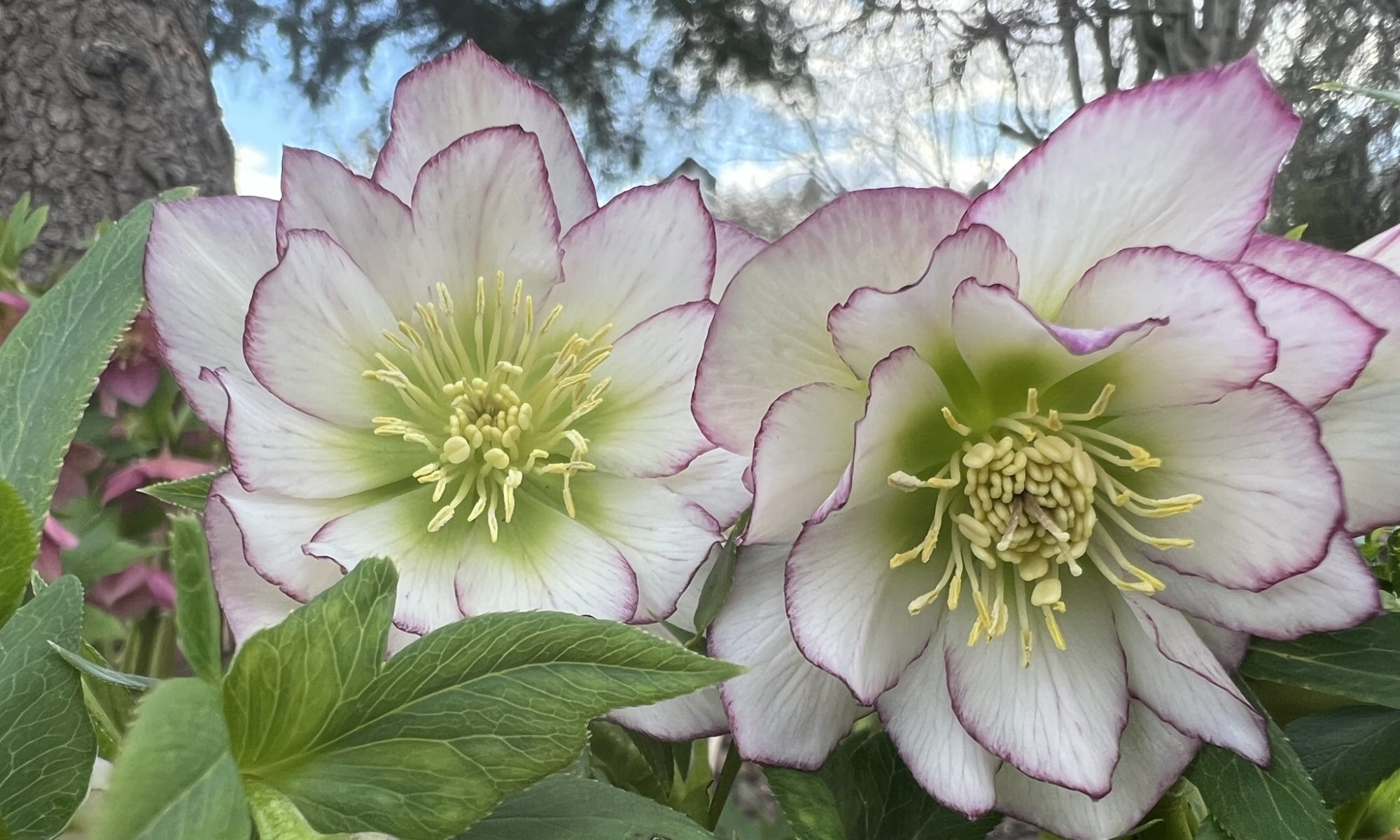

There are so many flowers that you can use before cold temps subside in the spring (below 35 degrees Fahrenheit at night), that I make up at least a half dozen containers to cheer me up after a long cold winter, here in the mid-Atlantic region. Having hung up my winter coat and wearing a light fleece, I am ready to plant.
For more about early spring containers, go to Continuous Containers with Cool Season Flowers.


Hardy annual flowers have become known as “cool flowers” in the flower farming industry, where these types of plants will withstand cold and actually prefer cooler temperatures. In fact, when warmer weather begins in the early summer, these annuals will fizzle out from the heat.


I enjoy plants in my containers all year long and starting in early to mid March plant some colorful annuals after pulling out Christmas greens, using some of the many early spring flowers that can tolerate and thrive in chilly weather. Violas and pansies are the stalwarts of cool weather flowers, but there are many others to try.


Protection
One year I had a cold snap in April where the nighttime temps went down to about 29 degrees Fahrenheit. I placed a frost blanket over my containers and they sailed through without any problems. These covers can increase the temperature inside by a critical 2-8 degrees Fahrenheit, depending on the weight of the row cover. The heavier the weight, the pricier the cover.


Spring or Fall
Hardy annual plants are cold tolerant annuals, which separates them from heat lovers like zinnias, cosmos, and sunflowers. Handling a slight freeze, they are good choices for early fall as well. A sustained freeze though will do them in. Hardy annual plants will do much better in the ground, rather than in containers, since the ground will insulate roots better than the small amount of soil in a container.


Hardening Off
Plants that have had time to adjust to increasingly cold weather will be hardier than those that suddenly encounter it. So, don’t buy plants that were growing in a greenhouse and set them outside without hardening them off. This just means acclimatizing them to cooler temperatures gradually. Place your plants in an unheated garage or other shelter for at least a week before introducing them outdoors.

Best Cold Tolerant Annuals
I am constantly testing the limits of the cold tolerance of my annuals. I lose some along the way. For example, Senetti, which is touted as a cold loving annual, soon succumbed to a very light frost. And petunias! They are pretty hardy plants to my surprise. Also, Angel Wings, Senecio candicans, has sailed right through some hard frosts and still looks good. Here is my top most planted list of cold tolerant annuals:
- Dianthus
- Petunia
- Lobelia
- Pansies & Violas
- Calendula
- Foxglove
- Diascia
- Sweet Alyssum
- Larkspur
- Anemones
- Snapdragon
- Nemesia
- Swiss Chard
- Parsley
- Dill
- Celery !!
- Angle Wings – Senecio candicans
- Anemones- not really annuals, but I grow new ones every year
- Ranunculus
- Poppies
- Cerinthe or Honeywort
- Chinese Forget-Me-Not
- Cornflower
- Bells of Ireland
- Cornflower
- Sweet Peas
- Love in a Mist
- African Daisy
- Dusty Miller
- Cyclamen

This list is by no means inclusive of all annuals that thrive in cool temperatures, but it offers a good selection of colorful and easy-to-grow flowers. Go to Walter Reeves for a Handy Chart on both veggies and flowers to get the best timing. I also use AI on Google and find out what the low temperature that each flower can take and it has been pretty accurate.

One of my favorite cold hard plants is annual poppies. I seed them in the ground or winter sow them in containers in the fall and as soon as the frigid temps abate, they pop up. Thriving in the chilly spring weather, they start blooming in April and continue through June.


When to Sow Outdoors
Late Winter is the time to sow your Cool Season Annuals as soon as the soil can be “worked”. This term is gardening jargon for soil with a texture that is neither mud nor frozen! After determining that my soil was ready by drawing a rake through it, I gathered my cool season annual seeds together with plant stakes, sharpie for marking, and my favorite multi-bladed sowing rake. On the menu for sowing was Poppies, Bells of Ireland, Love-in-the-Mist, Cerinthe, and Calendula. That was late February for me in zone 7 Maryland.


Cool Season Annuals differ from annuals that you sow after the danger of frost is past because the seeds need cold temperatures to germinate and cool temps to grow well in the garden. When hot weather hits, they fade away, and I pull them out to make way for annuals that relish the hot weather. Poppies are easy to grow in the cool temperatures of early spring and I make sure to plant plenty.
 Lauren’s Grape Poppy
 Great Dixter Poppies
Growing quickly in the cool temperatures of late winter and early spring, the cool season annuals are usually old-fashioned flowers that you would find scattered in an English cottage garden. Best sown outdoors in the ground, these flowers are frost tolerant and grow quickly to give you a much-needed dose of color after the long winter. If you want to plant cold hardy edibles like brassicas, go to Pegplant who writes an excellent blog on gardening.

Raking the soil with my sowing rake is the only preparation needed. I like to add very fine seeds like poppies to sand to more evenly broadcast the seeds. Then tamp down the soil firmly with the rake, not adding any additional soil. Sprinkling the surface with bits of straw or leaves helps keep the soil moist and hopefully hides the seed from wandering birds. I spray a light mist of water on top to moisten the surface and wait with anticipation.


Popping up quickly through the leaf litter, sprinkling with some water is necessary if we hit a dry spell. Then it is time for the color show! Cutting flowers from these early blooms make great arrangements in the house.

For a great video on planting cool flowers, go to Cool Flowers, a website by Lisa Ziegler.

Beauties, all of them! Thanks for sharing the recommendations and the lovely photos.
Love this – a great antidote to my spring fever!!!! I’m heading out to get some seeds:)